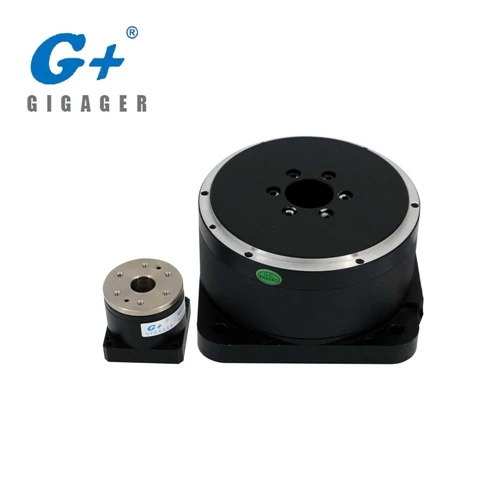
In today's industrial automation industry, manufacturers are constantly pursuing higher precision, faster cycle times, and lower maintenance costs. Whether in machine tools, robotics, semiconductor equipment, or automated assembly systems, motion control performance directly affects productivity and product quality.
Traditional motion systems often rely on servo motors combined with gearboxes, belts, or other mechanical transmission components. While these solutions are widely used, they can introduce backlash, wear, vibration, and maintenance challenges over time.
As a result, Direct Drive Motors (DD Motors), also known as torque motors, have become an increasingly popular solution for high-performance motion control applications.

Ⅰ. The Challenges of Traditional Transmission Systems
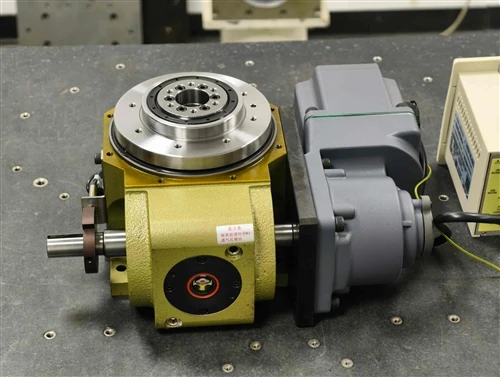
Most conventional motion systems transmit power through mechanical components such as gearboxes, belts, couplings, or indexing mechanisms.
Although these transmission methods are mature and widely adopted, they inevitably introduce mechanical backlash, friction, and wear, which can negatively affect positioning accuracy and long-term system stability.
As machine performance requirements continue to increase, the limitations of mechanical transmission systems become more apparent.
Ⅱ. How DD Motors Solve These Challenges
A DD Motor eliminates intermediate mechanical transmission components and drives the load directly.
Instead of transmitting power through gears or belts, the motor rotor is directly connected to the driven load.
This direct-drive structure significantly improves positioning accuracy, response speed, and overall system efficiency.
By reducing the number of moving components, DD motors also help minimize maintenance requirements and improve long-term reliability.
Ⅲ. Key Benefits of DD Motors
Zero Backlash
Because there is no gearbox between the motor and the load, DD motors eliminate mechanical backlash and provide highly accurate positioning performance.
High Torque Density
DD motors can generate high torque output within a compact structure, making them ideal for space-constrained machine designs.
Faster Dynamic Response
Direct-drive technology reduces transmission inertia and enables faster acceleration and deceleration.
Low Maintenance
With fewer mechanical components, DD motors require less maintenance and help reduce machine downtime.
Compact Machine Design
Eliminating large transmission systems allows machine builders to design more compact and efficient equipment.
Ⅳ. Typical Applications of DD Motors
CNC Machine Tools
DD motors provide precise rotary positioning and smooth motion control for high-precision machining applications.
Industrial Robotics
The fast response and high accuracy of DD motors make them suitable for robotic joints and precision automation systems.
Semiconductor Equipment
Direct-drive technology supports ultra-precise positioning required in semiconductor manufacturing and inspection processes.
Automated Assembly Systems
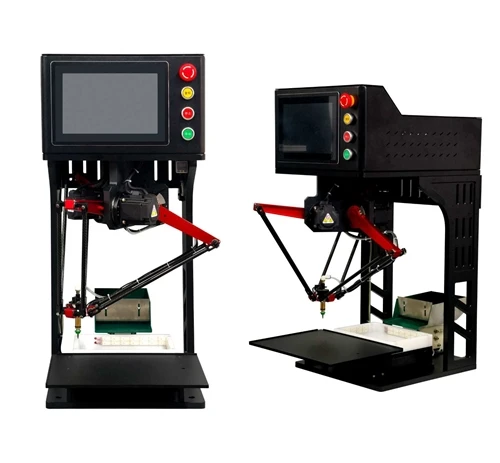
DD motors improve productivity by enabling high-speed indexing and accurate positioning.
Precision Inspection Equipment
Smooth motion and high repeatability make DD motors ideal for advanced inspection systems.
Ⅴ. GIGA DD Motor Solutions
To meet different industrial automation requirements, GIGA offers a comprehensive range of direct drive motors covering both outer-rotor and inner-rotor designs.
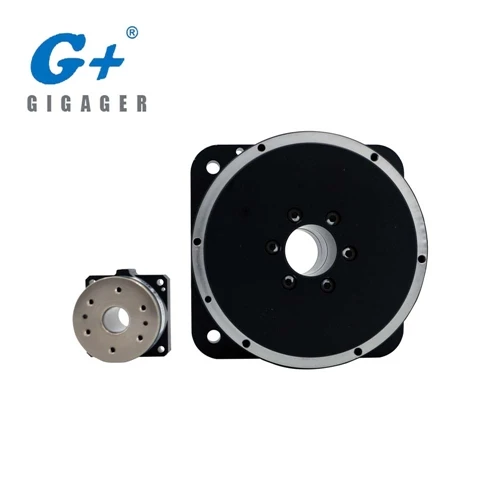
GDE Series Outer Rotor DD Motor
|
|
|
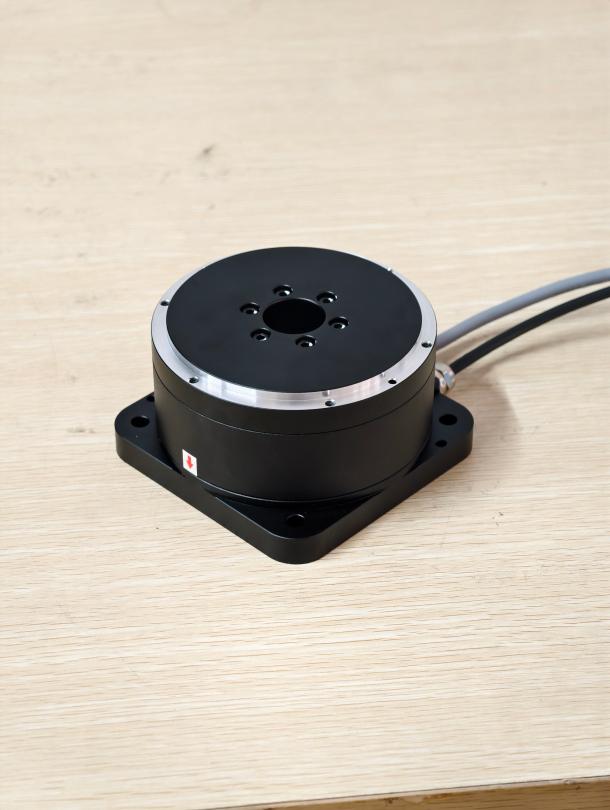
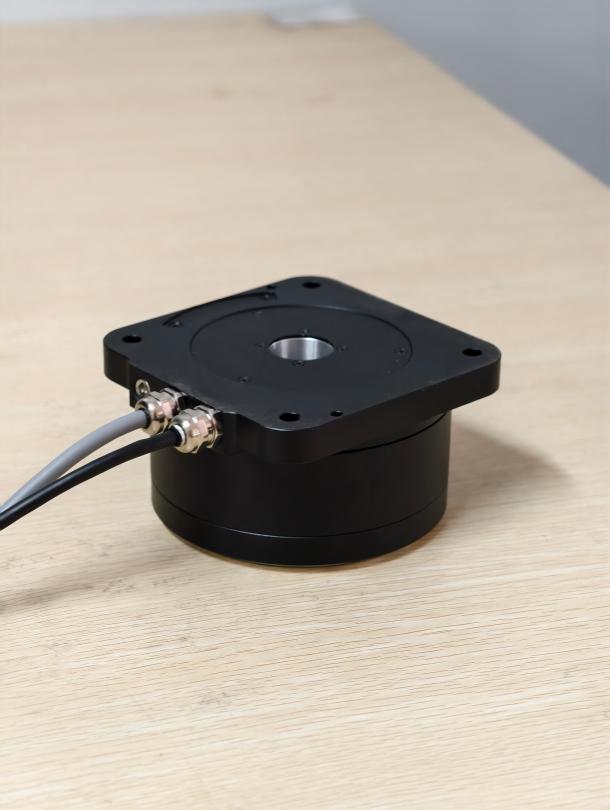
The GDE series is designed for applications requiring compact structure, high positioning accuracy, and direct load mounting. Continuous torque ranges from 0.14 Nm to 250 Nm.
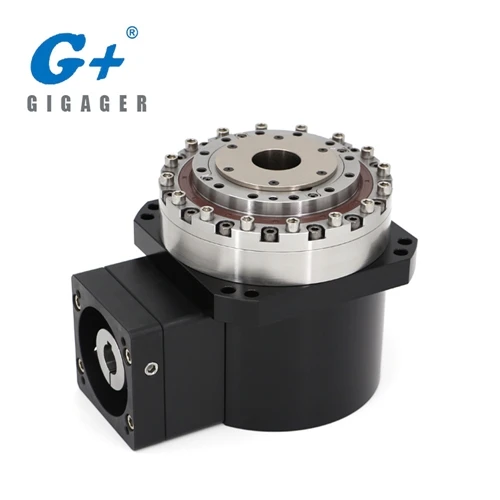
GDI Series Inner Rotor DD Motor
|
|
|
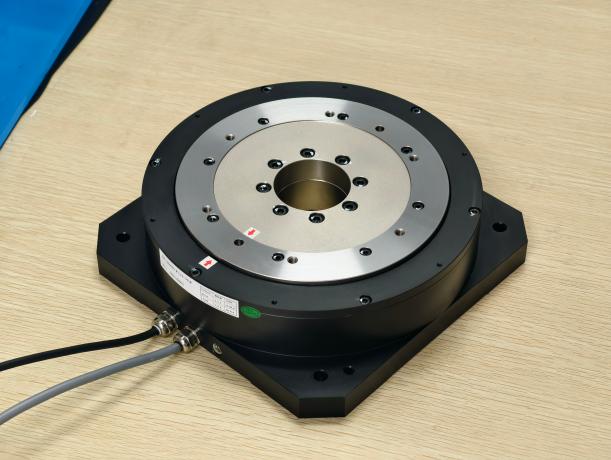
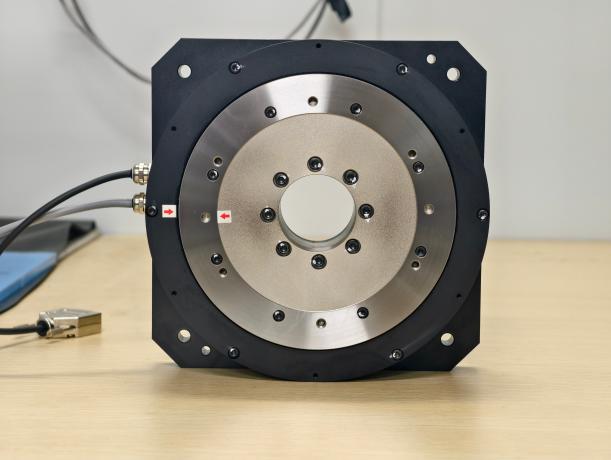
The GDI series delivers higher torque output for demanding industrial applications. Continuous torque ranges from 0.3 Nm to 1950 Nm.
Customized DD Motor Solutions
In addition to standard models, customized solutions can be provided based on torque requirements, installation dimensions, and application-specific needs.
Ⅵ. Conclusion
As industrial automation continues to evolve, DD motors are becoming a preferred solution for applications requiring high precision, high torque, fast response, and low maintenance.
By eliminating mechanical transmission components, direct-drive technology helps improve machine accuracy, reliability, and overall productivity.
Whether you are developing a new automation system or upgrading an existing machine, selecting the right DD motor can provide long-term performance and business benefits.